
De DJI Agras T25P-drone behoudt zijn compacte, opvouwbare ontwerp en beschikt over een sproeivermogen van 20 kg[1], een verbeterd, uiterst nauwkeurig schroefdoseersysteem 4.0 met een sproeivermogen van 25 kg[1] en Safety System 3.0[2]. Hij blinkt uit in luchtfotografie en gewasbescherming en biedt flexibele bedieningsmogelijkheden en gemakkelijke mobiliteit, waardoor hij ideaal is voor solo-operaties.
Compact en efficiënt
20 kg spuiten[1]
25 kg verspreiden[1]
Volledig automatische bediening
Opstijgen met één klik
Intelligente obstakelomzeiling[2]
Automatische luchtkartering
Flexibele operaties
Opvouwbaar en gemakkelijk te vervoeren
Optioneel ontwerp met vier sproeiers voor sproeien in omgekeerde richting tijdens de vlucht
Verspreidingssysteem 4.0
Diverse korrelcompatibiliteit[3]
Brede spreidingsbreedte, hoge precisie
Signaalstabiliteit
Quad-antenne O4-videotransmissie
Veiligheidssysteem 3.0[2]
Millimetergolfradars
Tri-Vision-systeem
Nachtzicht kleuren FPV-camera
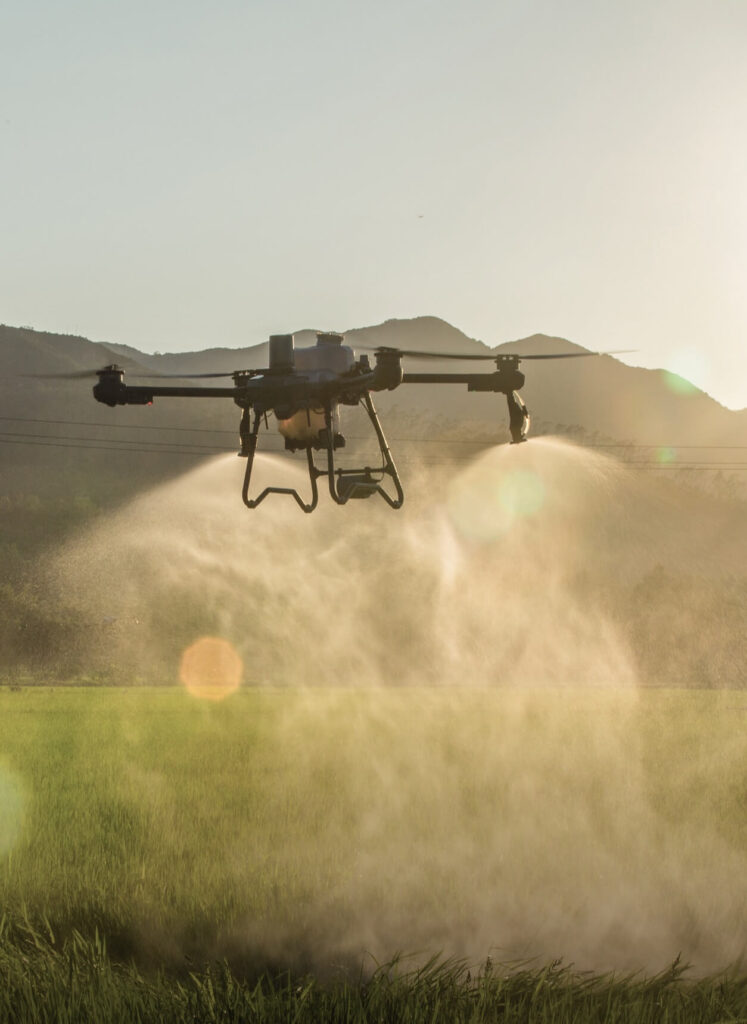
Veldspuiten
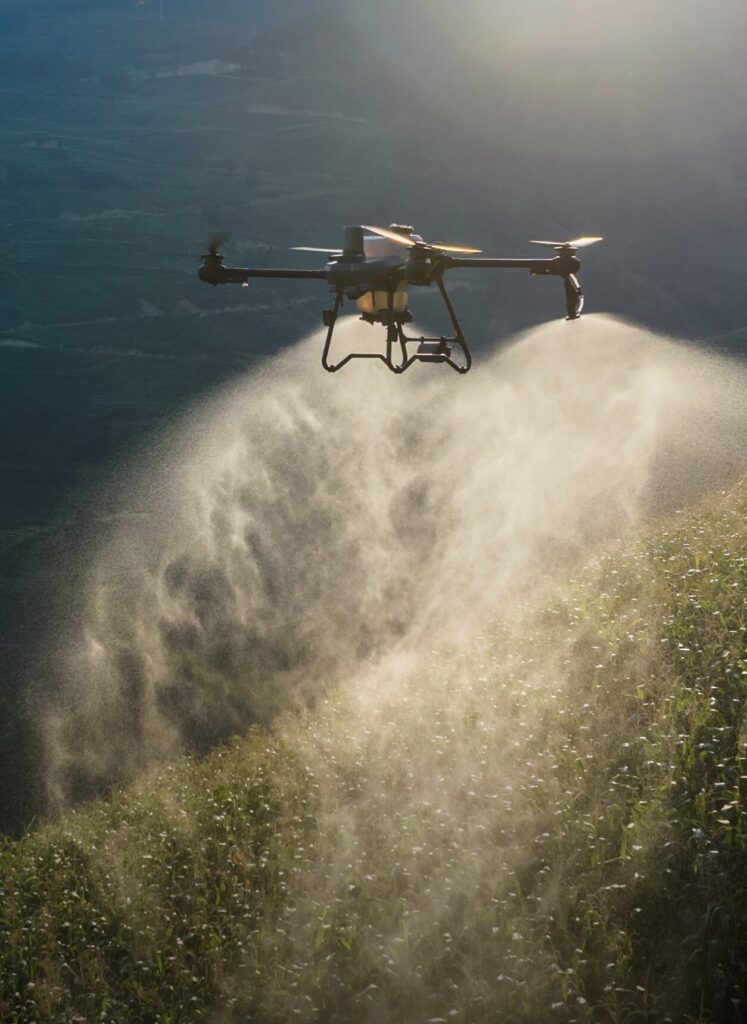
Spuiten in de bergen
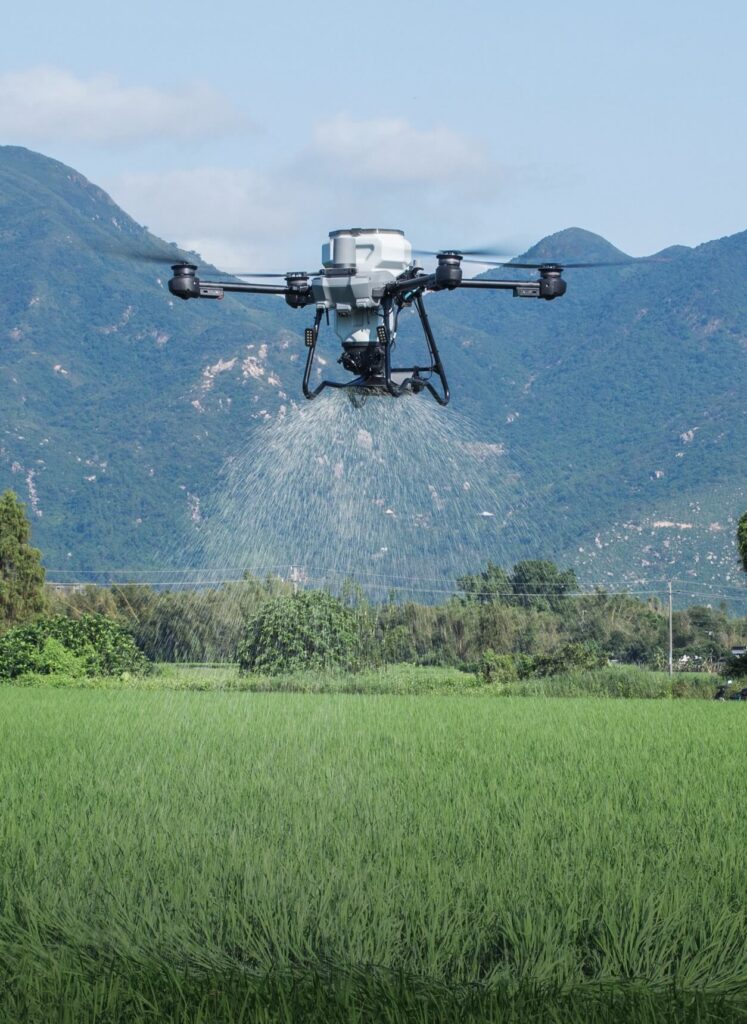
Veldverspreiding
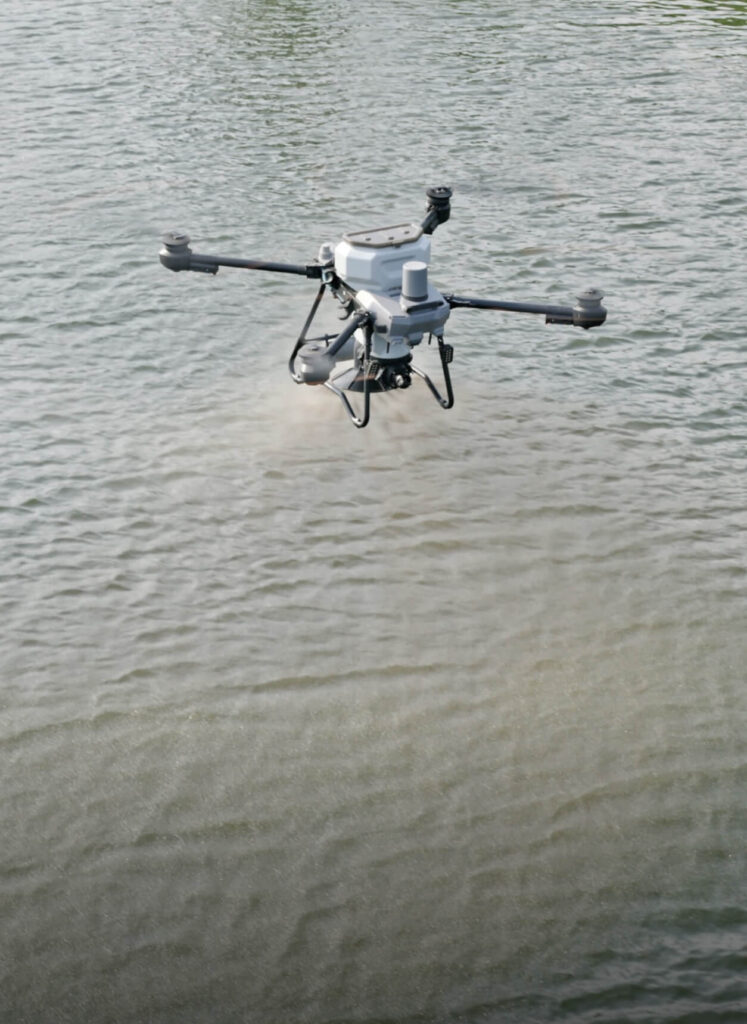
Voerverspreiding
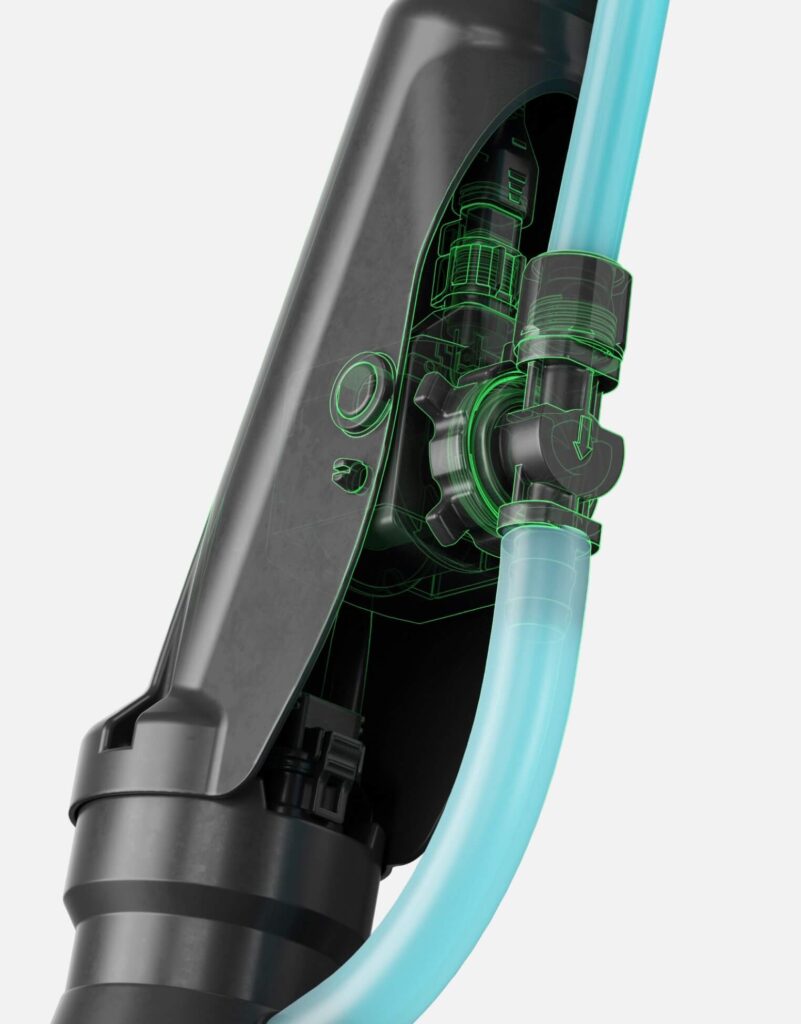
Magneetventielen
Nauwkeurig starten en stoppen voorkomt lekkage.
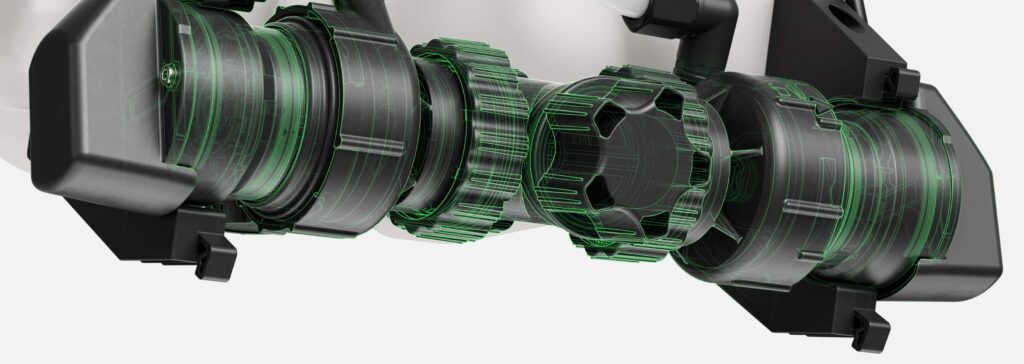
Magnetisch aangedreven waaierpomp
De vloeistof is volledig afgesloten van de motor, wat corrosie voorkomt, een uitzonderlijke duurzaamheid garandeert, snelle demontage mogelijk maakt en eenvoudige reiniging biedt.
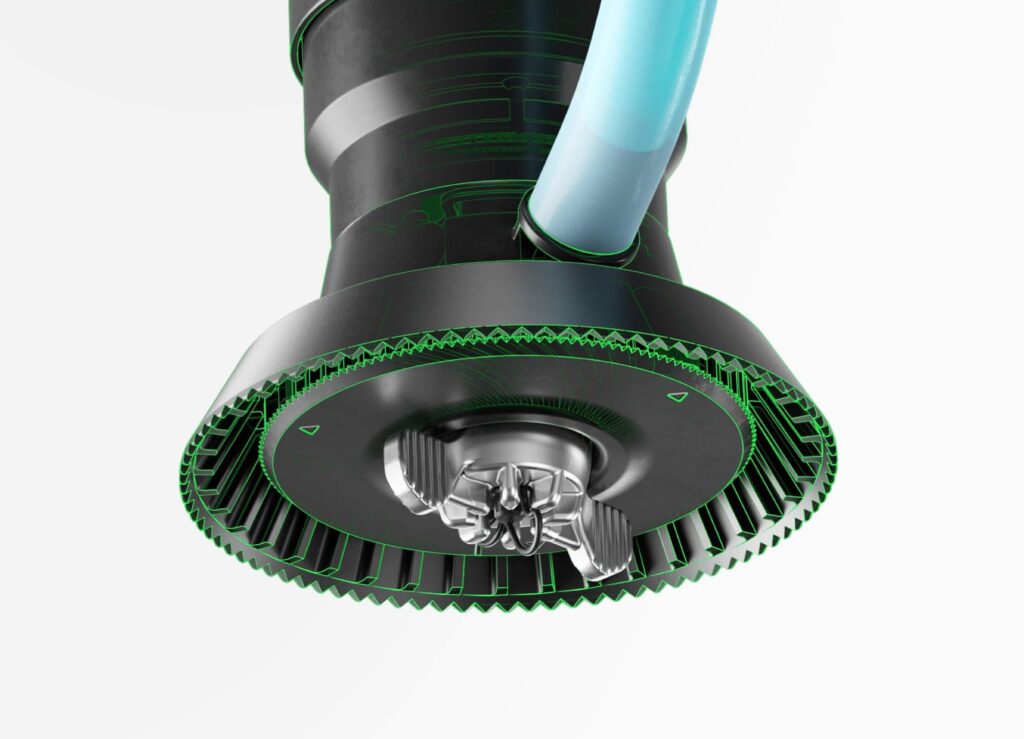
Centrifugale sproeiers met dubbele verneveling
Een dubbele verstuivingsschijfstructuur verlengt de levensduur met 66%[4] en zorgt voor een meer uniforme druppelgrootte, voor een beter sproeieffect.
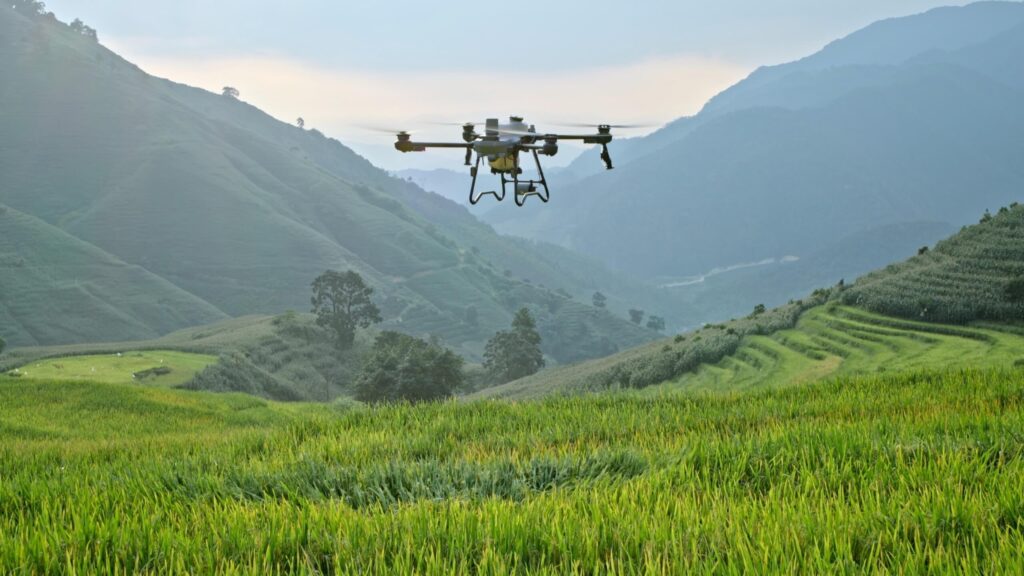
Een drone voor solo-operaties
De Agras T25P heeft een opvouwbaar ontwerp en een lichtgewicht romp, speciaal ontwikkeld voor solovluchten, wat zorgt voor flexibele mobiliteit en gemakkelijker opstijgen en landen.
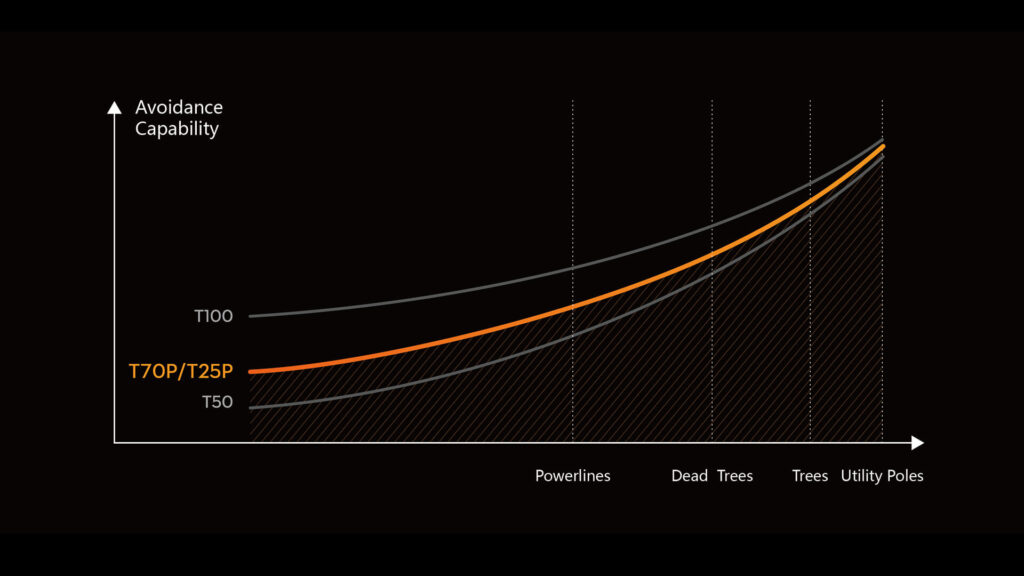
Obstakelvermijding
Veiligheidssysteem 3.0[2] helpt T25P bij het detecteren van palen en bomen, waardoor obstakels met vertrouwen kunnen worden vermeden. Obstakels met een lage reflectie, zoals spankabels, moeten nog steeds in de voorbereiding worden gemarkeerd om veiligere vluchten te garanderen.
Virtuele gimbal
De T25P introduceert als eerste in de branche een virtuele gimbal, die gebruikmaakt van een fisheye-lens en elektronische stabilisatiealgoritmes om elektronische anti-shake te realiseren, wat resulteert in vloeiendere beelden.
Nachtzicht kleuren FPV-camera
De T25P is uitgerust met een FPV-kleurencamera met nachtzicht en 75 watt nachtnavigatieverlichting, waardoor obstakels zoals palen en draden[9] in schemerige omstandigheden goed zichtbaar zijn. Het biedt een zichtafstand tot 25 m, waardoor uw nachtelijke vliegroute wordt verlicht.
Grote voerbak
Geschikt voor granulaten zoals meststoffen, tarwezaden, granulaatfungiciden, veevoer, enz.
Aanbevolen dosering: 75-750 kg per hectare.
Aanbevolen korrelgrootte: 0,5-10 mm
Middelgrote feeder
Geschikt voor korrels zoals rijstzaad. Aanbevolen dosering: 22,5-120 kg per hectare. Aanbevolen korrelgrootte: 4-6 mm.
Kleine voerbak
Geschikt voor granulaten zoals koolzaad, korrelherbiciden, graszaad, korrelinsecticiden, enz. Aanbevolen dosering: 3-22,5 kg per hectare. Aanbevolen deeltjesgrootte: 0,5-4 mm
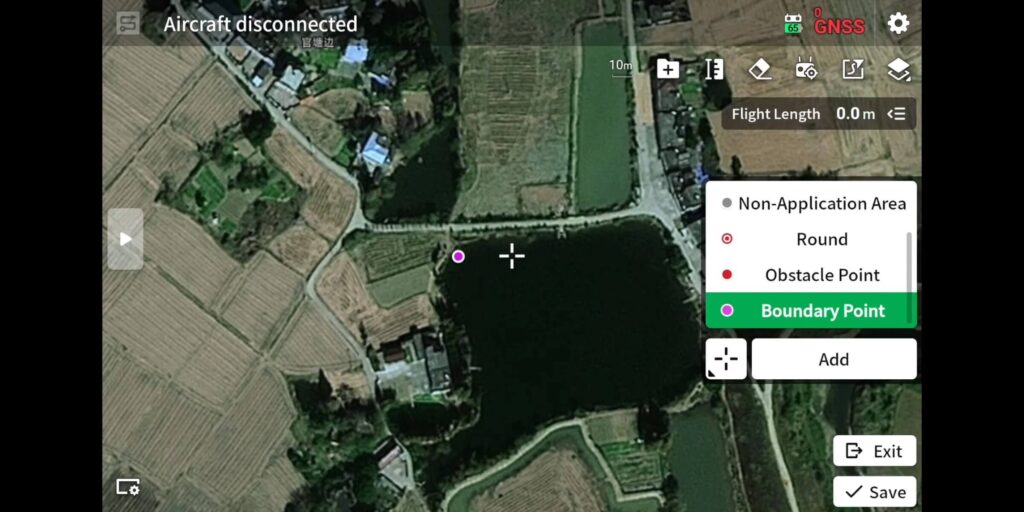
Veld in kaart brengen
Het in kaart brengen van 13,3 hectare[10] aan velden in één vlucht. Intelligente detectie van veld- en obstakelgrenzen, waardoor opstijgen met één druk op de knop en volledig automatische bediening mogelijk is. Een superresolutie-algoritme zorgt voor duidelijkere kaarten.
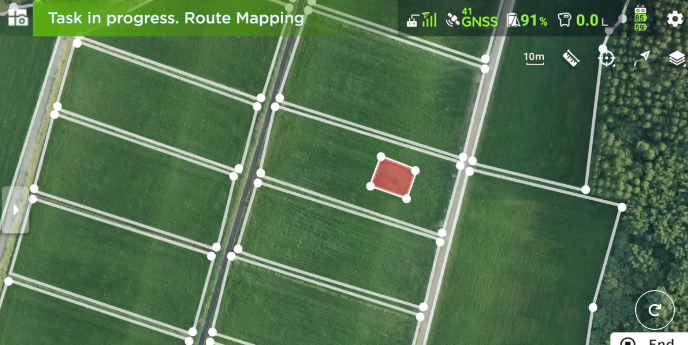
Boomgaardkartering
Het in kaart brengen van 5,33 hectare[10] aan boomgaarden in één vlucht. Ondersteunt Orchard Mode 4.0, waardoor meer functies beschikbaar komen.
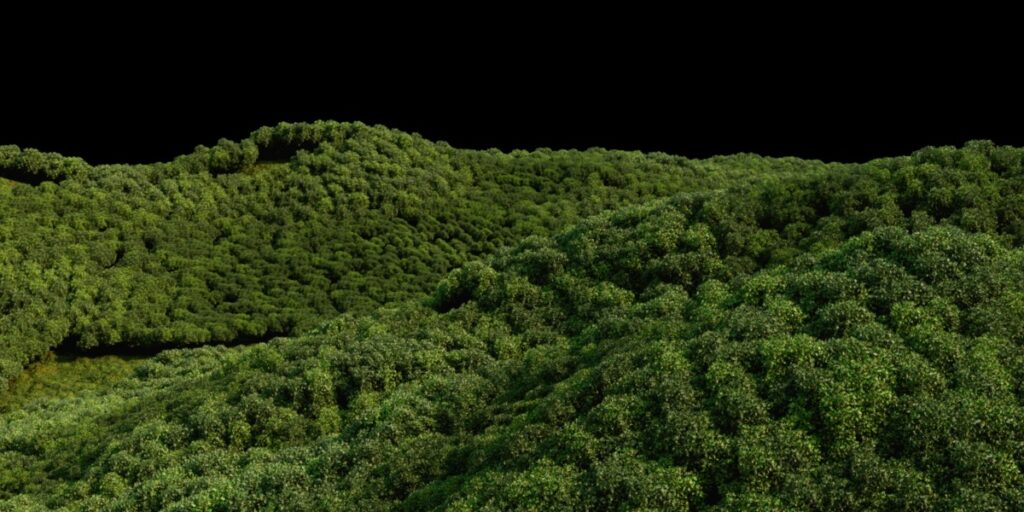
Slim landbouwecosysteem
Met DJI SmartFarm Web en de nieuwe Mavic 3M-landmeetdrone kunt u slimme landbouwoplossingen realiseren, zoals automatische veldpatrouilles, monitoring van de bodemnivellering, detectie van zaailingen, groeianalyse en variabele bewerkingen op basis van voorschriftkaarten. Op basis van de groeiomstandigheden van gewassen en voorschriftkaarten voor landbouwgrond kunnen landbouwdrones nauwkeurige variabele bewerkingen uitvoeren, zoals variabele bemesting voor rijst, variabele chemische bestrijding voor katoen en variabele voedingsoplossingen voor sojabonen en maïs.
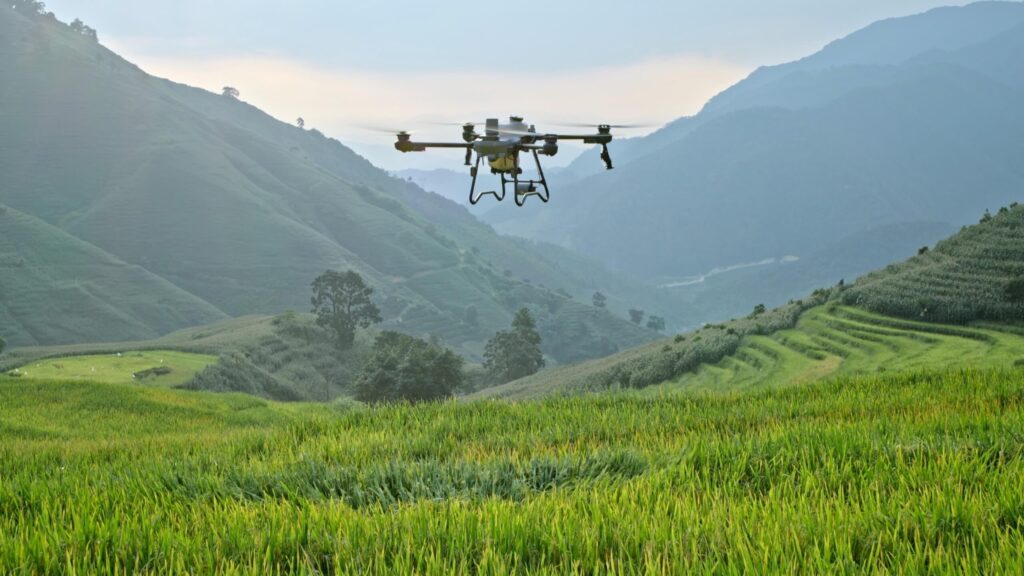
*The product is only available in certain countries. The appearance of the product is subject to the actual product. For details, please contact your local dealer.
[1] Data was measured at sea level. The DJI Agras app will recommend the payload weight according to the current status and surroundings of the aircraft. When adding materials, the maximum weight should not exceed the recommended value, otherwise flight safety may be compromised.
[2] The effective sensing range and its ability to avoid and bypass obstacles will vary depending on the ambient light, rain, fog, and the material, position, shape, and other properties of the obstacles. Downward sensing is used to assist in Terrain Following flight and altitude stabilization, while other directions assist with obstacle avoidance. Any collision between the bottom of the aircraft and obstacles shall be the customer’s responsibility. In scenarios without linear obstacles, if a collision occurs at speeds up to 10 m/s resulting in aircraft damage, responsibility can be determined through log analysis, and the aircraft may be eligible for free warranty if non-human causes are identified. If there are linear obstacles like wires or guy wires on utility poles, please mark them as obstacles; otherwise, failure to bypass them will be the customer’s responsibility. Note 1. Downward sensing assists in Terrain Following flight. If the bottom collides with obstacles, it is considered user responsibility. Note 2. Due to limitations in safety system performance, the aircraft cannot automatically avoid moving objects, and accidents of this nature will be attributed to user responsibility.
[3] Particle size range: 0.5-10 mm materials. Clumps, straw, woven bags, and impurities, as well as humidity, density, hardness, and shape, can affect spreading adaptability and precision.
[4] Compared to the Agras T25 drone and its supporting equipment. Test results may vary based on different testing conditions.
[5] Measured at an operating height of 3 meters with a spinning disc speed of 1,100 r/min and a uniformity requirement of CV < 30%. Higher disc speeds and flight altitudes increase the spreading width.
[6] Measured with compound fertilizer. The maximum flow rate may vary due to differences in granule size, density, and surface smoothness of different fertilizers.
[7] Measured with compound fertilizer. The maximum flow rate may vary due to differences in granule size, density, and surface smoothness of different fertilizers.
[8] The observation distance of Safety System 3.0 may vary due to environmental light, rain, fog, and the material, position, and shape of the target object.
[9] Under good conditions, the stable observation distance for an 11 mm diameter white wire is 19 meters, and for a utility pole, it is 25 meters. Actual observation distance is affected by lens contamination, insects, spray droplets, fertilizers, and other floating objects. During night flights, users should mark obstacles or reduce flight speed based on actual visible distance to ensure flight safety.
[10] The mapping area refers to the area enclosed by the flight path. The area per flight is affected by firmware version, takeoff power, survey type, altitude, environmental wind speed, plot shape, slope, etc., and must be conducted without load.
[11] Measured at a flight altitude of 2.5 meters, without obstruction or electromagnetic interference.
[12] Output power may vary due to local grid conditions, such as distance, wire material, and wire diameter.
[13] Batteries are covered by warranty for up to 1,500 charging cycles or 12 months, whichever ends first.
[14] The output power of the charging station may be affected by altitude and fuel quality.
[15] The droplet diameter is measured by a laser particle size analyzer, with a 50-micron diameter using the DV50 standard.
[16] Measured by laser particle size analyzer, a 50-micron diameter using the DV75 standard.
[17] The effective spray width of the spraying system depends on the actual working scenario.
[18] Different granulars have different densities, the maximum load cannot exceed 100 kilograms.
[19] A weight of 100 kg is measured below the triaxial force sensor (including the weight of the sling, and hook). Data was measured at sea level. The DJI Agras app will recommend the payload weight according to the current status and surroundings of the aircraft. When adding materials, the maximum weight should not exceed the recommended value, otherwise flight safety may be compromised. Users must comply with local regulations during operation.
[20] The rear radar is configured in accordance with the regulations of various countries, and the actual product is subject to the arrival.
[21] Different granulars have different densities, the maximum load cannot exceed 70 kg.
[22] A weight of 65 kg is measured below the triaxial force sensor (including the weight of the sling, and hook). Data was measured at sea level. The DJI Agras app will recommend the payload weight according to the current status and surroundings of the aircraft. When adding materials, the maximum weight should not exceed the recommended value, otherwise flight safety may be compromised. Users must comply with local regulations during operation.
[23] Different granulars have different densities, the maximum load cannot exceed 25 kilograms.
[24] Mapping operation needs to work with RTK.